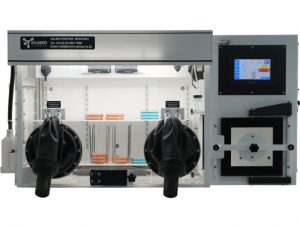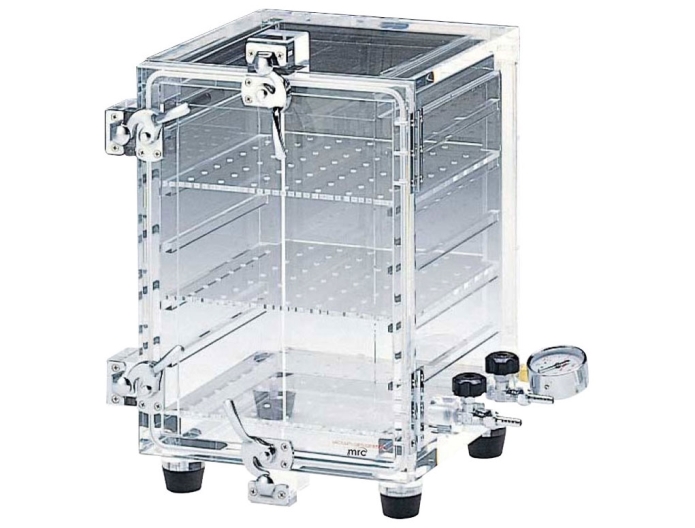
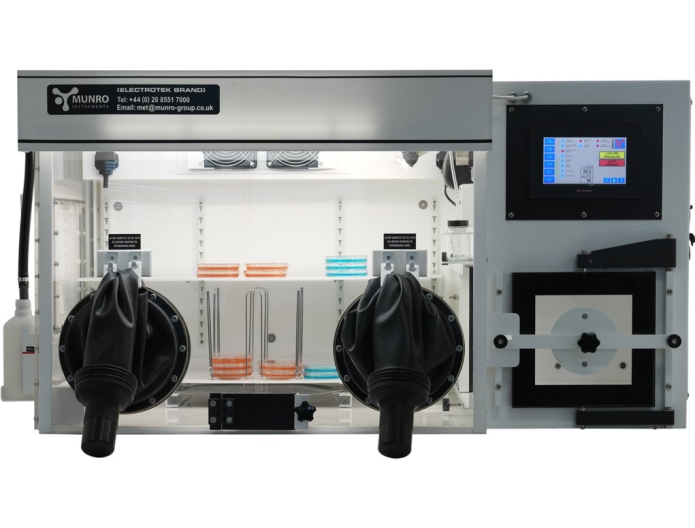
Hypoxia chambers are advanced laboratory tools that simulate low-oxygen environments. Researchers use them to replicate physiological and pathological conditions. These chambers allow precise control of oxygen, carbon dioxide, humidity, and temperature.
Why Hypoxia Matters in Research
Oxygen levels strongly influence cellular function and behavior. In vivo, tissues rarely experience atmospheric oxygen. Many biological processes rely on hypoxic or low-oxygen conditions. Hypoxia chambers provide an accurate model to study these processes in vitro.
Cancer Biology Research
Tumor Microenvironment Studies
Tumor tissues often exist in hypoxic conditions. Hypoxia chambers help replicate these conditions. Researchers investigate how cancer cells adapt, proliferate, and resist therapies under low oxygen.
Drug Resistance and Therapy Response
Studies show tumors under hypoxia become resistant to radiation and chemotherapy. Chambers enable controlled experiments on drug performance in low-oxygen conditions.
Stem Cell Research
Proliferation Under Low Oxygen
Stem cells thrive in hypoxic environments. Research demonstrates enhanced proliferation and self-renewal with controlled oxygen reduction.
Differentiation Studies
Hypoxia chambers help examine lineage-specific differentiation. They reveal how oxygen tension influences cell fate decisions.
Tissue Engineering Applications
Simulating In Vivo Environments
Engineered tissues require realistic oxygen levels to develop. Hypoxia chambers provide the right balance for cell growth and matrix formation.
Wound Healing and Regeneration
Low-oxygen studies are vital in regenerative medicine. Chambers help replicate conditions for testing scaffold integration and tissue repair.
Neuroscience Research
Brain Ischemia Models
Hypoxia is central to stroke and brain injury studies. Chambers allow controlled simulation of oxygen deprivation for cellular models.
Neurodegenerative Disorders
Researchers use chambers to analyze how neurons respond to chronic low oxygen. This provides insight into conditions like Alzheimer’s and Parkinson’s disease.
Cardiovascular Research
Ischemic Heart Disease Models
Low-oxygen conditions help mimic heart tissue under stress. Researchers explore cellular mechanisms during oxygen deprivation.
Angiogenesis Studies
Hypoxia chambers support research into new blood vessel formation. Controlled low oxygen enhances understanding of angiogenic pathways.
Pharmacology and Drug Discovery
Testing Drug Efficacy
Pharmaceutical companies rely on hypoxia chambers to test drugs under varied oxygen conditions. This provides better prediction of clinical outcomes.
Identifying Novel Targets
Hypoxia-regulated pathways reveal new drug targets. Chambers accelerate discovery in cancer and cardiovascular therapy.
Immunology Research
Immune Cell Behavior
Oxygen levels affect immune response. Hypoxia chambers allow study of T-cells, macrophages, and dendritic cells under controlled conditions.
Inflammatory Disorders
Low-oxygen simulations provide insights into inflammation and autoimmune diseases. This leads to better treatment strategies.
Microbiology Studies
Pathogen Survival Mechanisms
Many pathogens adapt to hypoxic environments in the host. Researchers use chambers to study microbial persistence and virulence.
Antibiotic Resistance Research
Hypoxia chambers simulate host conditions where bacteria develop resistance. This helps in designing more effective antimicrobial strategies.
Reproductive Biology
Embryonic Development Studies
Early embryonic stages often occur under low oxygen. Chambers help replicate these conditions for in vitro fertilization research.
Placental Research
Placental development is influenced by oxygen gradients. Hypoxia chambers provide valuable models for studying preeclampsia and related disorders.