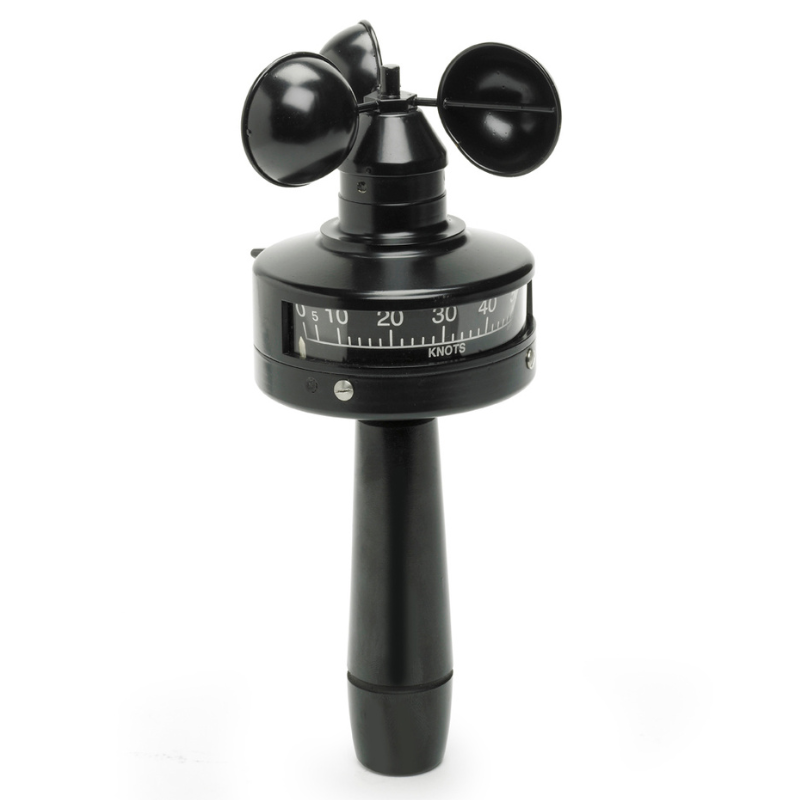
A wind anemometer is an instrument used to measure the speed and sometimes the direction of wind. If you have ever wondered how weather stations report wind speed so accurately,
An anemometer is a device used to measure the speed of wind, and in many cases, its direction as well. If you have ever wondered how weather stations know how
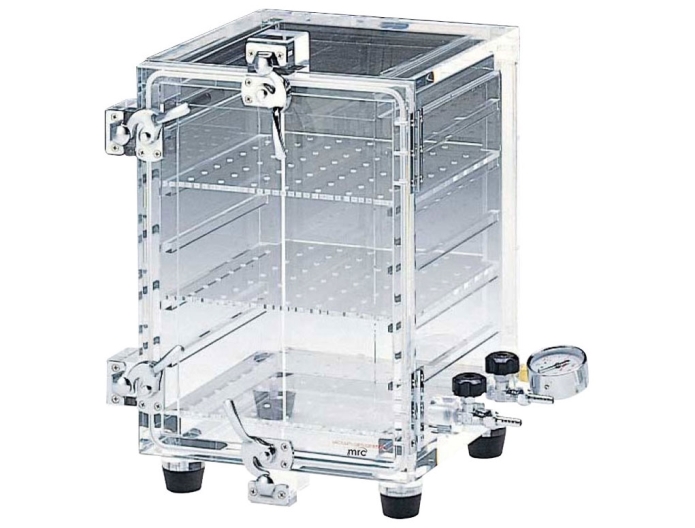
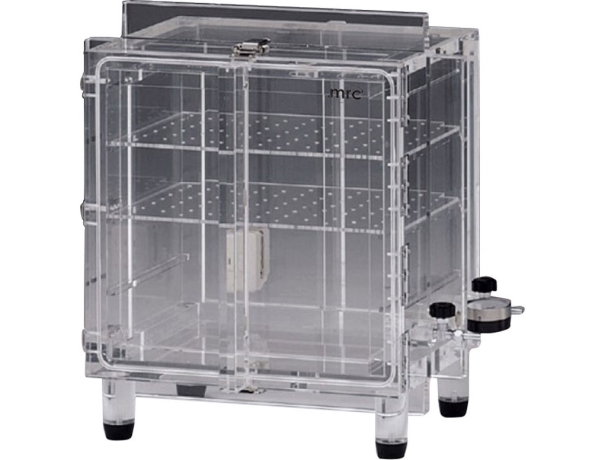
Vacuum desiccators are essential laboratory tools for moisture sensitive storage, drying, and sample protection. If you are looking to buy vacuum desiccators in London, understanding the types available, their applications,
A vacuum desiccator is one of those quiet heroes in the laboratory. It does not flash lights or make noise, but it protects your samples like a sealed vault. In
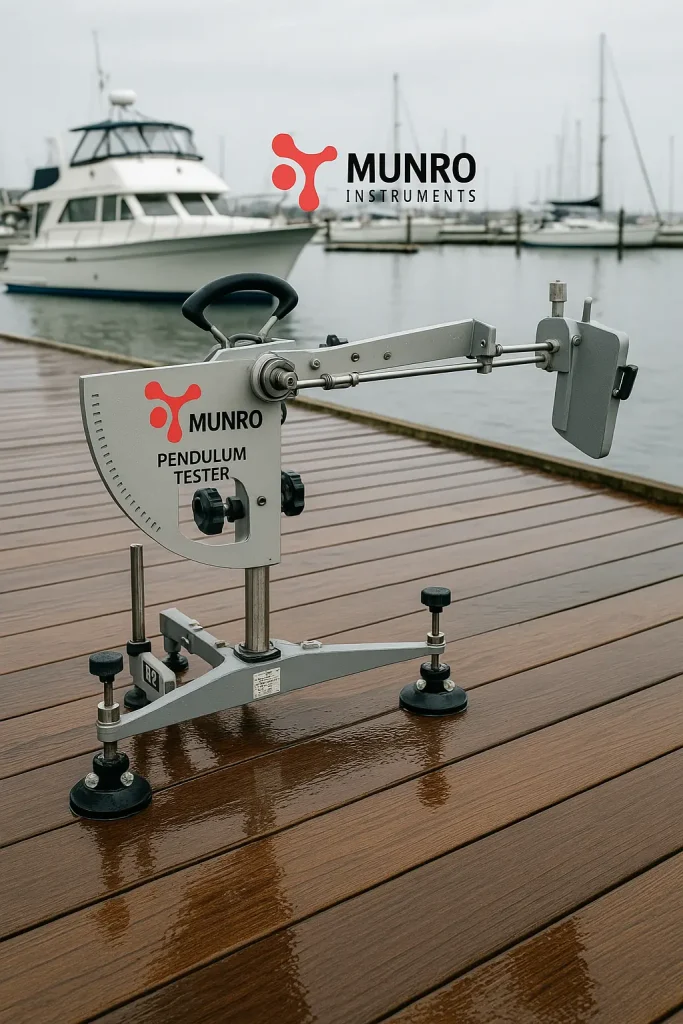
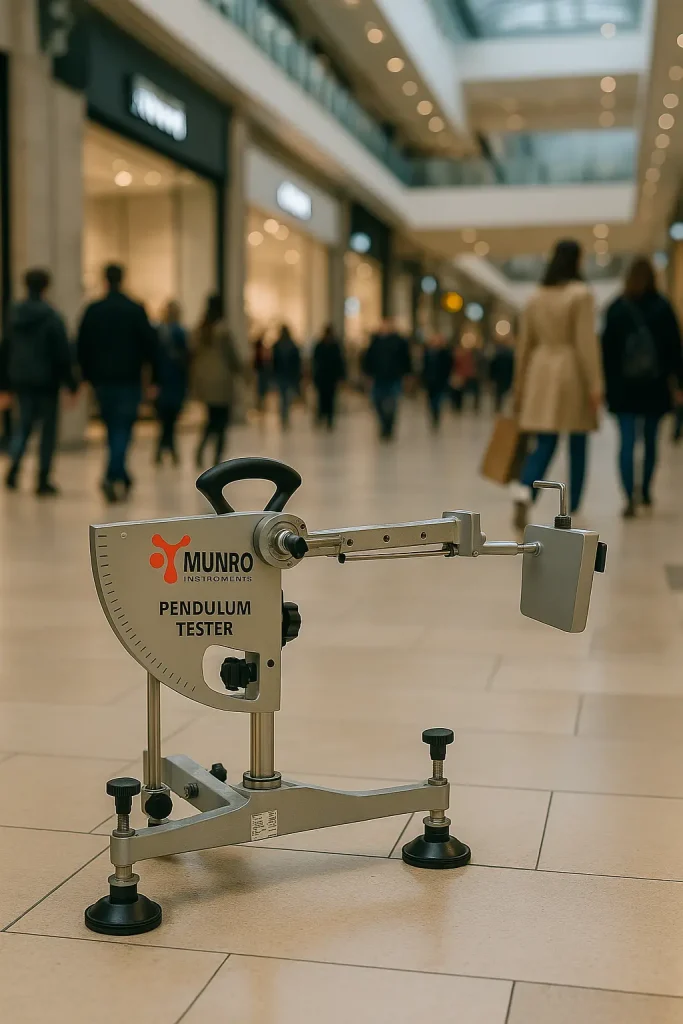
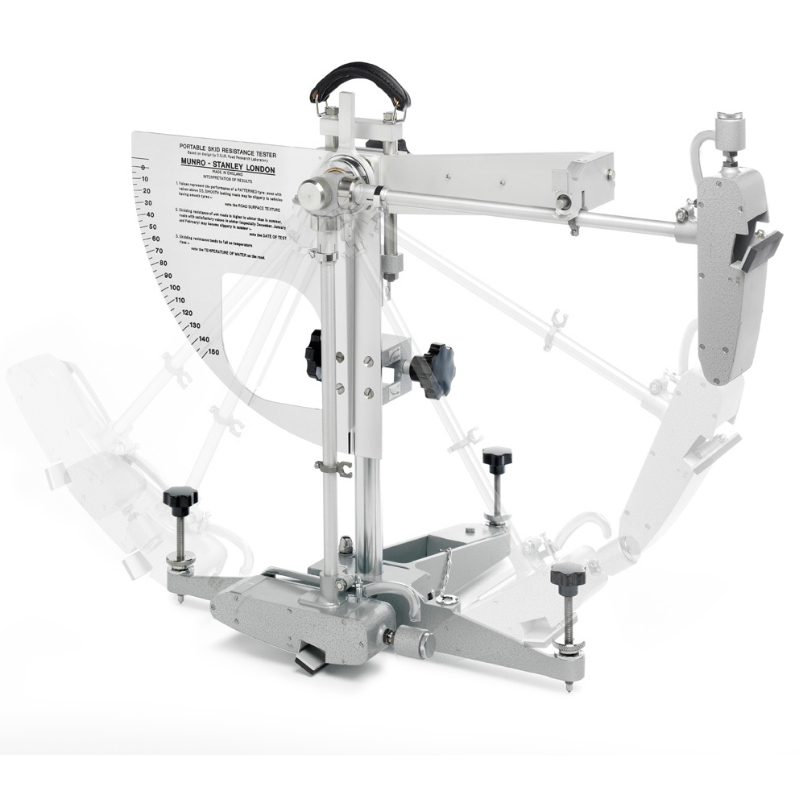
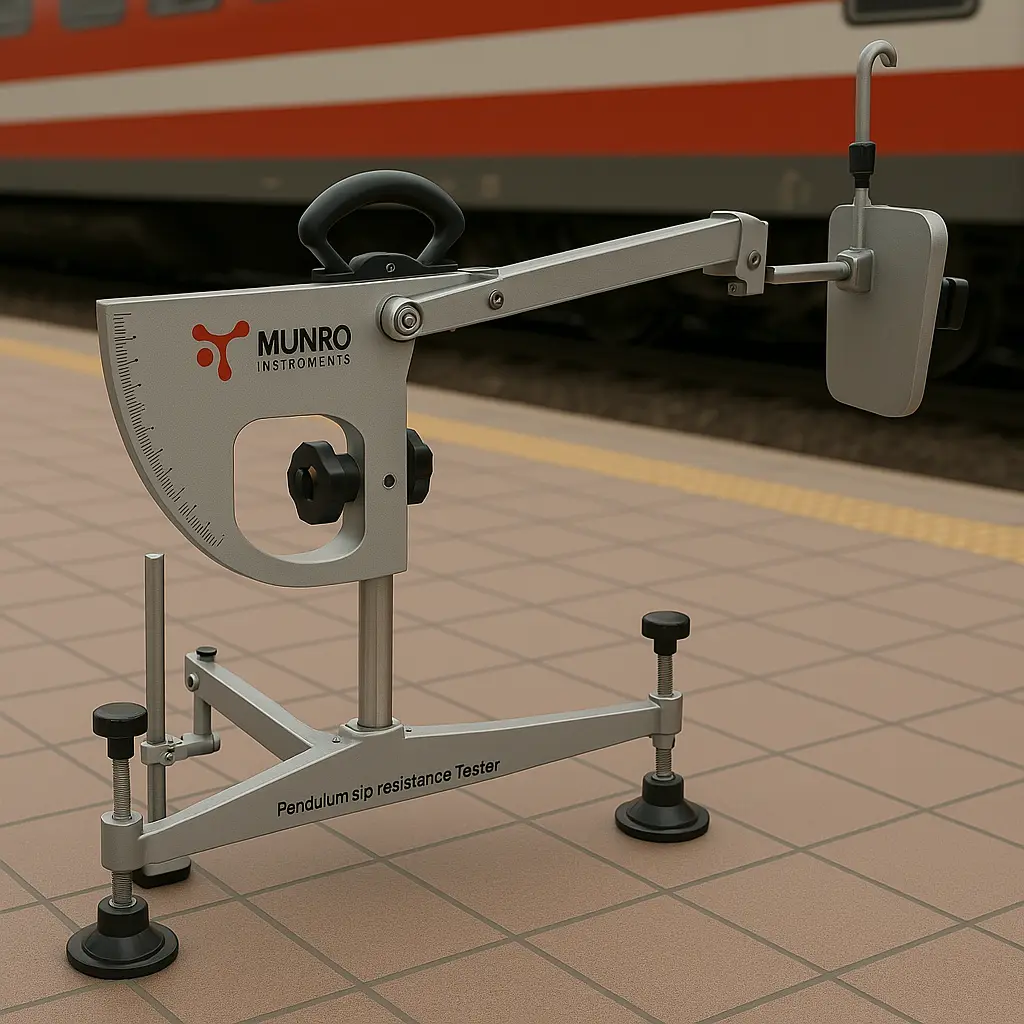
A skid resistance tester measures how slippery a surface is. In simple words, it measures friction. Higher friction means better grip. Lower friction means higher risk. Engineers use this data
slips and falls happen unexpectedly and often cause serious injuries. More importantly, these incidents usually occur on surfaces that look safe at first glance. Therefore, slip resistance testing provides a
Slip accidents are one of the most preventable causes of workplace injuries, yet they remain among the most common across the UK. The Health and Safety Executive places heavy emphasis
Questions and answers about Slip Testing Service Which specific international or national standard (ASTM E303, ANSI A326.3, BS EN 16165, AS/NZS 4586) will be used for testing, and why is
Floor safety is a vital aspect of public health and workplace safety. In the UK, anti-slip regulations are designed to minimize accidents caused by wet or slippery surfaces. These laws
Slip accidents are one of the most common causes of workplace injuries across the United Kingdom. From supermarkets and schools to factories and hospitals, maintaining anti-slip flooring isn’t just about
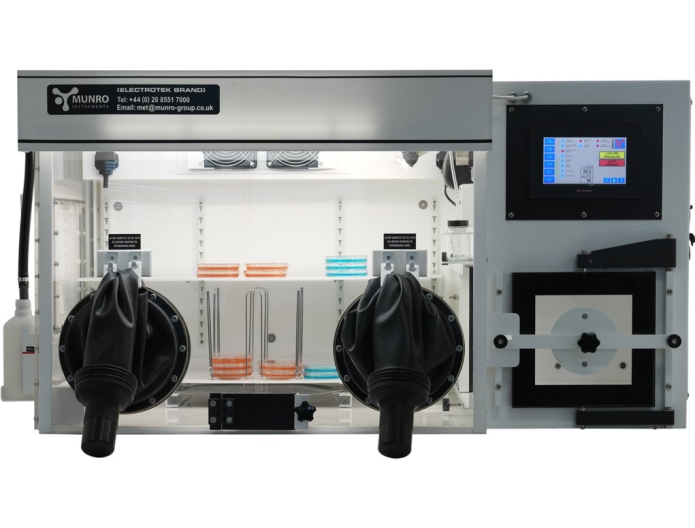
A hypoxia chamber (also known as a hypoxia workstation or low-oxygen incubator) is a specialized laboratory environment designed to precisely control oxygen, carbon dioxide, nitrogen, humidity, and temperature levels. These
Hypoxia chambers are advanced laboratory tools that simulate low-oxygen environments. Researchers use them to replicate physiological and pathological conditions. These chambers allow precise control of oxygen, carbon dioxide, humidity, and