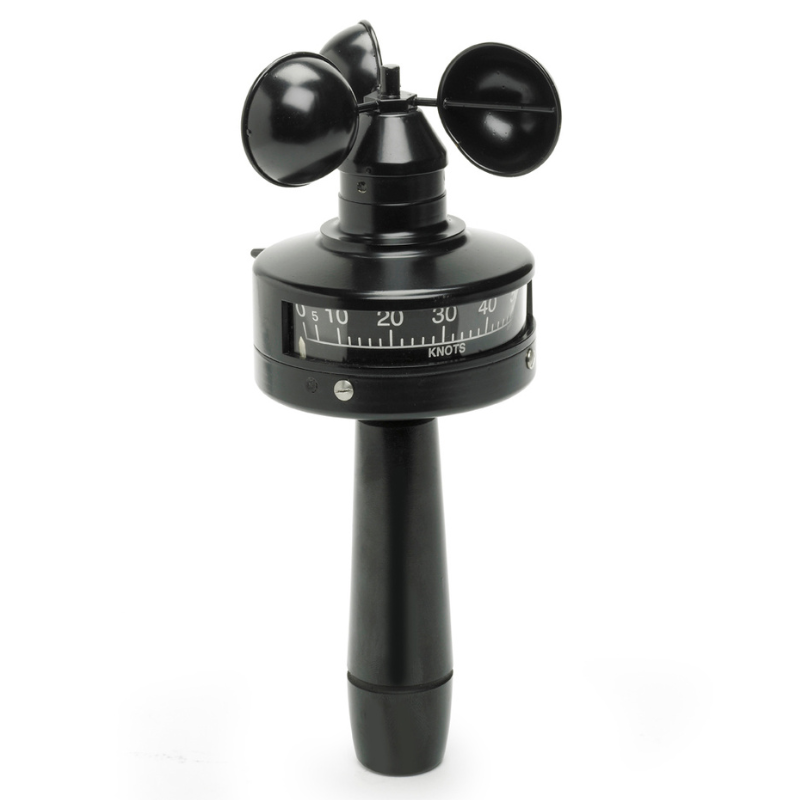
An anemometer is a device used to measure the speed of wind, and in many cases, its direction as well. If you have ever wondered how weather stations know how fast the wind is blowing, the answer is simple – they use an anemometer.
The word “anemometer” comes from the Greek word “anemos,” meaning wind, and “metron,” meaning measure. Put together, it literally means “wind measurer.”
Why Measuring Wind Matters
Weather forecasting depends heavily on accurate wind measurements. Wind speed influences temperature, storm formation, and precipitation patterns.
Without reliable wind data, forecasts would be far less accurate.
Industrial Applications
Industrial Wind measurement is not just for meteorologists. Industries rely on it for safety and efficiency. Construction sites, for example, must monitor wind speeds to avoid dangerous conditions.
Environmental Monitoring
Anemometers help track pollution dispersion, climate change, and atmospheric conditions. This data is critical for environmental studies.
How an Anemometer Works
At its core, an anemometer converts the movement of air into a measurable signal. When wind flows over or through the device, it creates motion or changes in physical properties.
This motion is then translated into data like meters per second or kilometers per hour.
Converting Wind into Measurable Data
Different anemometers use different techniques. Some rely on rotation, others on heat transfer, and some on sound waves.
Regardless of the method, the goal is the same: transform wind energy into readable data.
We will focus more on industrial anemometers here.
Types of Anemometers
Cup Anemometer
One of the most common designs, the cup anemometer uses rotating cups to measure wind speed.
Vane Anemometer
This type measures both wind speed and direction, making it highly versatile.
Hot-Wire Anemometer
A sensitive device that measures wind speed based on heat loss from a wire.
Ultrasonic Anemometer
Uses sound waves to measure wind velocity with high precision.
Laser Doppler Anemometer
A sophisticated system using laser beams to detect airflow changes.
Cup Anemometer Explained
Design and Structure
A cup anemometer typically consists of three or four cups mounted on horizontal arms. As wind blows, the cups rotate.
The faster the wind, the faster the rotation.
Advantages and Limitations
Cup anemometers are durable and simple, but they may struggle in turbulent or highly variable wind conditions.
Vane Anemometer Explained
Combined Measurement of Direction and Speed
Vane anemometers include a propeller and a tail. The tail aligns the device with the wind direction, while the propeller measures speed.
This makes them ideal for HVAC and airflow analysis.
Hot-Wire Anemometers
High Precision Applications
Hot-wire anemometers measure how quickly heat dissipates from a heated wire. Faster airflow cools the wire more quickly.
These are commonly used in laboratory research where precision is critical.
Ultrasonic Anemometers
Advanced Technology for Accurate Data
Ultrasonic anemometers measure the time it takes for sound waves to travel between sensors.
Changes in travel time indicate wind speed and direction. They have no moving parts, which makes them highly reliable.
Applications of Anemometers
Meteorology
Weather stations depend on anemometers to monitor wind patterns continuously.
Aviation
Airports use them to ensure safe takeoffs and landings.
Marine Use
Ships rely on wind measurements for navigation and safety.
HVAC Systems
Engineers use anemometers to measure airflow in ventilation systems.
Renewable Energy
Wind farms use them to assess wind potential and optimize turbine placement.
Anemometers in Wind Energy
Wind Turbine Optimization
Wind energy projects rely on precise wind data. Anemometers help determine the best location for turbines and maximize energy output.
Without accurate measurement, energy production would drop significantly.
For high-quality meteorological instruments, including professional anemometers, companies like Munro Instruments provide reliable solutions for environmental monitoring and wind analysis.
Choosing the Right Anemometer
Selecting an anemometer depends on your needs. Consider factors like:
- Measurement range
- Accuracy
- Environmental conditions
- Data logging capabilities