Cup Anemometer for Greenhouse

Why Understanding Wind Behaviour Matters for Beginners New users often focus only on the numerical wind speed reading, but the real value of an anemometer lies in how it helps interpret wider wind behaviour. Wind is rarely constant. It changes in strength, direction, and stability throughout the day. These variations influence outdoor comfort, aviation safety, industrial operations, and environmental measurements. By learning to observe patterns rather than single values, beginners gain a clearer understanding of how wind interacts with landscapes, buildings, and equipment. This deeper interpretation leads to more reliable decisions in both hobby and professional scenarios. Practical Tips for First Time Users Beginners often overlook small factors that affect the accuracy of their measurements. Simple steps can significantly improve reliability: 1. Positioning: The anemometer should be placed in an open area, ideally above obstacles like trees or walls that can block or distort airflow. Even small obstructions can reduce the true wind speed. 2. Stability: Mounting the device on a solid pole or tripod prevents vibration that might influence readings, especially at lower wind speeds. 3. Consistent Height: Taking measurements at the same height each time allows for meaningful comparisons over days, weeks, or months. 4. Warm-Up Period: Some electronic models need a short period after powering on before delivering stable data. 5. Avoid Heat Sources: Appliances, vehicles, and warm surfaces can create rising air currents that distort airflow and lead to misleading results.

Greenhouses provide controlled environments for plants to thrive, but climate factors such as wind can still affect their growth. One essential tool for monitoring wind speed inside and around greenhouses is the cup anemometer. This device helps regulate ventilation, prevent structural damage, and optimize energy efficiency.

What is a Cup Anemometer?

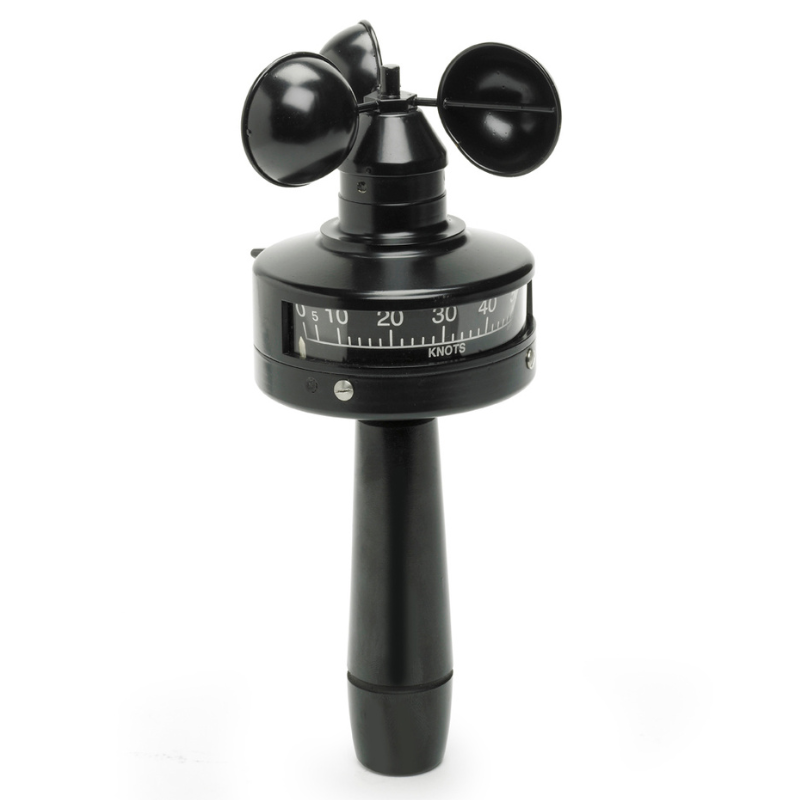
A cup anemometer is a meteorological instrument designed to measure wind speed. It consists of three or four cups mounted on horizontal arms attached to a central vertical axis. As the wind blows, the cups rotate, and the speed of this rotation determines the wind velocity.

The first anemometer was invented in the 15th century, but modern designs have evolved significantly, incorporating digital sensors and wireless connectivity for enhanced precision.

Why Greenhouses Need Wind Monitoring

  • Temperature and Humidity Control: Wind influences air circulation, affecting temperature and humidity levels.
  • Preventing Plant Damage: Strong winds can stress plants and cause structural damage to the greenhouse.
  • Optimizing Ventilation Systems: Proper airflow prevents mold growth, ensuring healthier plants.

Key Features to Look for in a Greenhouse Anemometer

When selecting a cup Anemometer, consider the following factors:

  • Durability: The device should withstand temperature fluctuations and moisture.
  • Accuracy: A high-quality sensor ensures precise wind speed readings.
  • Connectivity: Wireless options allow integration with automated climate control systems.

How a Cup Anemometer Works in a Greenhouse

A cup anemometer helps measure wind speed, which can then be used to automate ventilation and shading systems. Some advanced models connect to greenhouse control units to trigger automatic adjustments based on wind data.

Benefits of Using a Cup Anemometer in a Greenhouse

  • Better Plant Growth: Controlled airflow reduces plant stress.
  • Energy Savings: Automated adjustments prevent unnecessary power use.
  • Climate Optimization: Maintains ideal growing conditions year-round.
Cup Anemometer for Greenhouse

Share the Post:

Related Posts

Category: SLIP AND SKID RESISTANCE

A skid resistance tester measures how slippery a surface is. In simple words, it measures friction. Higher friction means better grip. Lower friction means higher risk. Engineers use this data

Category: SLIP AND SKID RESISTANCE

slips and falls happen unexpectedly and often cause serious injuries. More importantly, these incidents usually occur on surfaces that look safe at first glance. Therefore, slip resistance testing provides a

Category: SLIP AND SKID RESISTANCE, Slip Test Service

Slip accidents are one of the most preventable causes of workplace injuries, yet they remain among the most common across the UK. The Health and Safety Executive places heavy emphasis