A personal air sampler is a device that is worn by an individual and is used to collect samples of the air that they are breathing. These devices are often used in occupational settings to monitor the air quality in the workplace and to ensure that workers are not being exposed to hazardous substances. Personal air samplers may also be used in other settings, such as in homes or public spaces, to monitor the air quality and identify potential sources of pollution. They may be used to collect samples of gases, vapors, particulates, or other pollutants in the air. The collected samples are then analyzed in a laboratory to determine the concentration of various pollutants in the air.
Personal air samplers are portable devices that are worn by individuals to monitor the air quality in their immediate surroundings. They are commonly used by workers in industries such as construction, manufacturing, and healthcare, as well as by environmental health and safety professionals. Personal air samplers can help protect workers from exposure to hazardous substances in the air, such as dusts, fumes, and gases. In this article, we will discuss the safety considerations for using personal air samplers.
One of the main safety considerations for using personal air samplers is ensuring that the device is properly calibrated. Personal air samplers typically use a pump to draw in air and filter it through a sampling medium. The sampling medium is then sent to a laboratory for analysis to determine the concentrations of various substances in the air. If the pump is not calibrated correctly, the results of the air sampling may be inaccurate. Therefore, it is important to follow the manufacturer’s instructions for calibrating the device and to regularly check and maintain the pump according to the manufacturer’s recommendations.
Another safety consideration is to ensure that the personal air sampler is being used correctly. This includes following the manufacturer’s instructions for wearing and using the device, as well as following any relevant safety protocols and procedures. For example, some personal air samplers may require the use of protective clothing or equipment to prevent contamination of the sampling medium. It is also important to handle the sampling medium and the device itself with care to avoid accidental spills or releases of hazardous substances.
In addition to these general safety considerations, it is also important to be aware of any specific hazards that may be present in the air in the area where the personal air sampler is being used. For example, if the device is being used in an area where hazardous chemicals are being handled, it is important to follow all relevant safety protocols and procedures to prevent exposure to these substances.
Overall, personal air samplers can be an important tool for protecting workers from hazardous substances in the air. By following proper safety guidelines and procedures, individuals can use these devices effectively and safely.
Uses of Personal Air sampler
There are several uses for personal air samplers, including:
Occupational health and safety: Personal air samplers are often used in the workplace to monitor the air quality and ensure that workers are not being exposed to hazardous substances.
Environmental monitoring: Personal air samplers can be used to monitor the air quality in outdoor or indoor spaces and identify sources of pollution.
Research and development: Personal air samplers may be used in research and development to study the effects of different substances on air quality.
Industrial processes: Personal air samplers may be used in industrial processes to monitor the air quality and identify potential sources of pollution.
Consumer products: Some personal air samplers are designed for use by consumers, such as individuals who are concerned about the air quality in their homes or public spaces. These devices may be used to monitor the air quality and identify potential sources of pollution.
Personal air samplers can be used in nuclear facilities to monitor the air quality and assess the potential exposure of workers to hazardous substances. These devices can help ensure that the air in the facility meets safety standards and that workers are protected from exposure to hazardous materials. In a nuclear facility, personal air samplers may be used to monitor the air for a variety of substances, including radioactive particles, radon gas, and other hazardous materials that may be present. The specific substances that are monitored will depend on the nature of the facility and the types of activities that are being conducted. It is important to follow all relevant safety protocols and procedures when using personal air samplers in a nuclear facility to ensure the safety of workers and the integrity of the sampling process.
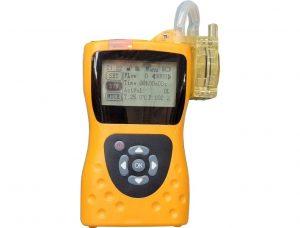
Key Factors That Determine Personal Air Sampler Performance
The effectiveness of a personal or portable air sampler depends on more than its size or portability. Several technical and operational factors directly influence data reliability, user compliance, and regulatory acceptance.
Flow Rate Stability
A personal air sampler must maintain a stable and accurately controlled flow rate throughout the sampling period. Variations in flow can distort concentration calculations and invalidate exposure assessments. High-quality samplers use closed-loop flow control systems that automatically compensate for filter loading, battery voltage changes, and ambient pressure fluctuations.
Sampling Media Compatibility
Personal air samplers are designed to work with specific sampling media such as filters, sorbent tubes, impactors, or cyclones. Compatibility between the sampler, media holder, and target contaminant is critical. Incorrect media selection can lead to breakthrough, particle loss, or chemical degradation before laboratory analysis.
Noise and Vibration Considerations
Because personal air samplers are worn close to the body, low noise output and minimal vibration are essential. Excessive noise reduces worker compliance and may affect workplace safety. Modern designs focus on efficient motor control and acoustic damping to ensure quiet, unobtrusive operation during long shifts.
Selecting the Right Personal Air Sampler
Choosing a personal or portable air sampler should be based on application requirements rather than general specifications.
Key selection criteria include target contaminants, required flow range, sampling duration, environmental conditions, and user comfort. Regulatory requirements and laboratory analysis methods must also be considered to ensure compatibility and acceptance of results.
A correctly selected personal air sampler provides reliable exposure data, supports regulatory compliance, and enhances workplace safety without disrupting normal operations.
Typical Contaminants Measured With Personal Air Samplers
Personal air samplers are used to collect a wide range of airborne hazards, depending on the sampling media and flow rate configuration. Common targets include:
-
Inhalable, respirable, and total dust
-
Silica and other mineral particulates
-
Welding fumes and metal aerosols
-
Organic vapors and solvents
-
Acid gases and inorganic gases
-
Bioaerosols such as spores or bacteria in occupational settings
The sampler itself is only part of the system. Filters, sorbent tubes, or impingers determine which contaminant is captured and how it is later analyzed.
Flow Rate Stability and Why It Matters
Accurate personal air sampling depends on maintaining a stable and calibrated flow rate throughout the sampling period. If the flow drifts due to filter loading, battery depletion, or pump wear, the calculated air volume becomes inaccurate. This directly affects the reported concentration. High-quality portable air samplers use constant flow control mechanisms that automatically compensate for resistance changes as the filter loads with particles.
Before and after sampling, flow verification using a primary or secondary calibrator is essential. This step confirms that the sampled air volume is valid and defensible for regulatory or scientific use.
Air sampler in UK
MUNRO provides a quality and professional range of Personal Air samplers / Portable Air samplers. Contact us for more details