Slip resistance testing is a crucial aspect of ensuring safety in diverse environments. Whether it’s an industrial setting, a commercial space, a residential area, or a public place, understanding the frequency of slip resistance testing is paramount to preventing accidents and injuries. In our daily lives, we encounter various surfaces, and the slipperiness of these surfaces can pose significant risks. Slip resistance testing services aim to mitigate these risks by assessing the friction and traction of surfaces. As we delve into the importance of slip resistance testing in different settings, it becomes evident that safety should be a priority.
What is Slip Resistance Testing
Slip Resistance Testing Before exploring the frequency of testing, it’s essential to understand the methods employed in slip resistance testing.
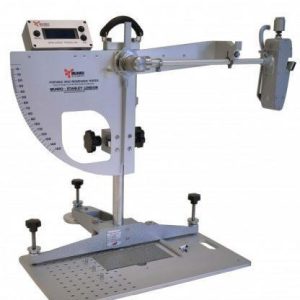
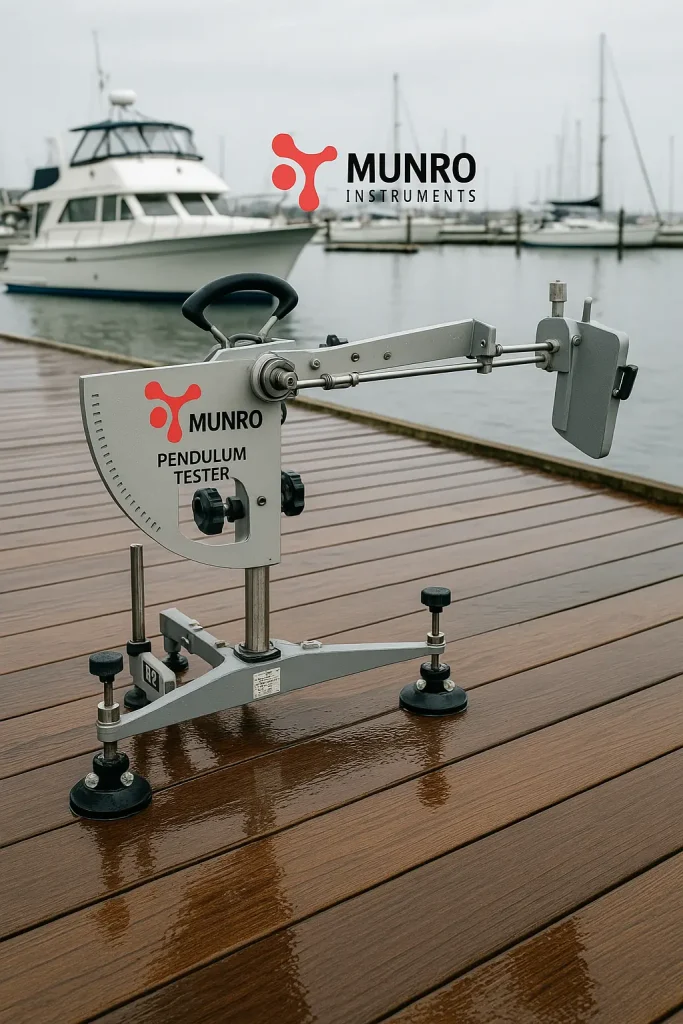
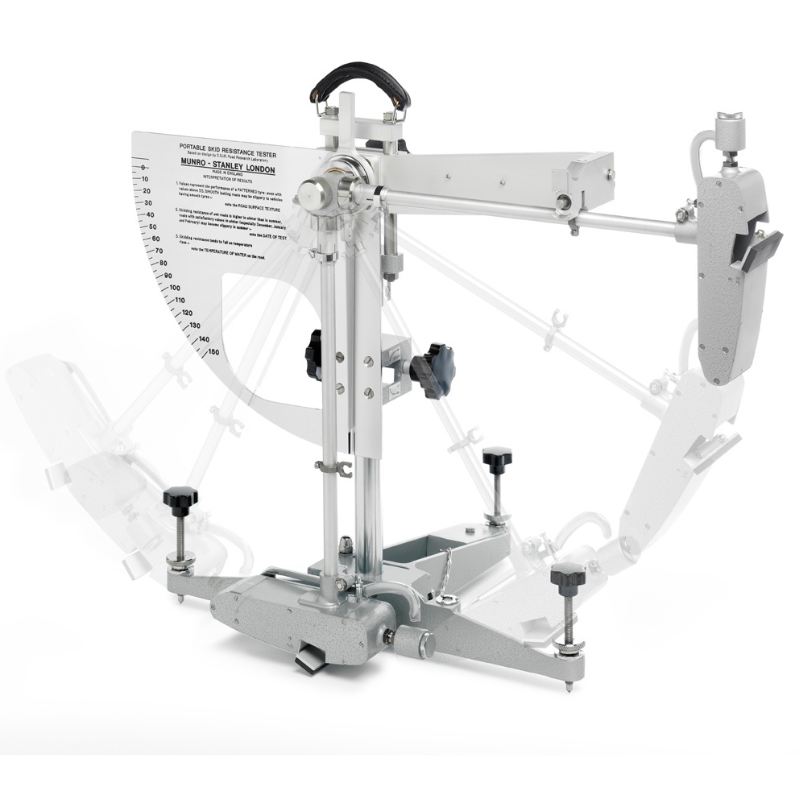
Common methods include the use of tribometers and pendulum testers, each adhering to specific standards and guidelines. These standards ensure that testing is conducted uniformly across different settings.
Frequency of Testing in Industrial Settings
In industrial settings such as factories and warehouses, where machinery, liquids, and diverse materials coexist, the need for regular slip resistance testing is evident.
The frequency of testing should align with the dynamic nature of these environments, reducing the potential for accidents caused by slips and falls.
Commercial Spaces and Slip Resistance
In commercial spaces, ensuring the safety of customers is not only a moral obligation but also a legal requirement.
Neglecting slip resistance can lead to severe consequences for businesses. Thus, a routine schedule for slip resistance testing is crucial to maintaining a secure environment.
Public Places and Safety
Public places, including parks, sidewalks, and shopping centers, cater to diverse populations.
Regular slip resistance testing is imperative to ensure the safety of pedestrians and visitors. Recent incidents underscore the importance of proactive measures in maintaining public safety.
Benefits of Regular Slip Resistance Testing
The benefits of regular slip testing extend beyond preventing accidents.
Businesses and individuals stand to save significant costs in the long run by avoiding legal battles, medical expenses, and reputational damage associated with slip and fall incidents.