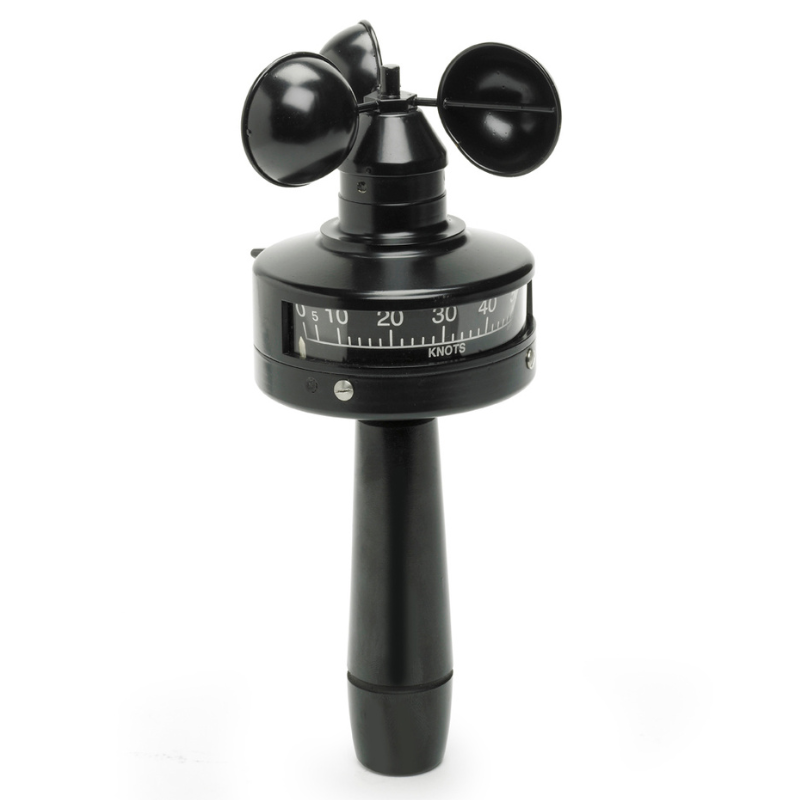
How to Use Industrial Wind Speed Sensors

Why Understanding Wind Behaviour Matters for Beginners New users often focus only on the numerical wind speed reading, but the real value of an anemometer lies in how it helps interpret wider wind behaviour. Wind is rarely constant. It changes in strength, direction, and stability throughout the day. These variations influence outdoor comfort, aviation safety, industrial operations, and environmental measurements. By learning to observe patterns rather than single values, beginners gain a clearer understanding of how wind interacts with landscapes, buildings, and equipment. This deeper interpretation leads to more reliable decisions in both hobby and professional scenarios. Practical Tips for First Time Users Beginners often overlook small factors that affect the accuracy of their measurements. Simple steps can significantly improve reliability: 1. Positioning: The anemometer should be placed in an open area, ideally above obstacles like trees or walls that can block or distort airflow. Even small obstructions can reduce the true wind speed. 2. Stability: Mounting the device on a solid pole or tripod prevents vibration that might influence readings, especially at lower wind speeds. 3. Consistent Height: Taking measurements at the same height each time allows for meaningful comparisons over days, weeks, or months. 4. Warm-Up Period: Some electronic models need a short period after powering on before delivering stable data. 5. Avoid Heat Sources: Appliances, vehicles, and warm surfaces can create rising air currents that distort airflow and lead to misleading results.

General instructions for working with Industrial Wind Speed ​​Sensors

Steps to Use Industrial Wind Speed Sensors

  1. Installation
    Proper installation is key to obtaining accurate measurements.

    • Select the Right Location: Place the sensor at a height and position where it can freely capture wind flow, avoiding obstructions like buildings or trees.
    • Mount Securely: Use a stable mounting system to prevent vibrations or tilting, which can distort data.
  2. Calibration
    • Most sensors come pre-calibrated, but periodic recalibration ensures accuracy.
    • Follow the manufacturer’s guidelines to align the sensor with standard wind speed references.
  3. Connection to Monitoring Systems
    • Connect the sensor to a data logger or monitoring software for real-time data analysis.
    • Ensure compatibility with industrial systems like SCADA (Supervisory Control and Data Acquisition) for seamless integration.
  4. Data Interpretation
    • Understand the units of measurement, typically in meters per second (m/s) or miles per hour (mph).
    • Use historical and real-time data to identify trends, especially in applications like wind turbine efficiency and safety monitoring.
  5. Maintenance
    Regular maintenance ensures longevity and accuracy:

    • Inspect Components: Check for dirt, debris, or damage that might impair performance.
    • Replace Worn Parts: Bearings and moving parts, especially in cup anemometers, may require replacement over time.
    • Firmware Updates: For electronic sensors, keep software and firmware up-to-date.

Applications in Industry
Wind speed sensors are used across multiple industries:

  • Energy Sector: Optimize wind turbines by measuring wind speeds at different altitudes.
  • Construction: Monitor wind conditions to ensure worker safety during crane operations.
  • Transportation: Aid in navigation and safety in maritime and aviation sectors.
  • Environmental Monitoring: Track weather patterns and predict storm conditions.

Tips for Optimal Use

  • Choose a sensor with the appropriate sensitivity for your application.
  • Consider weatherproof and durable models for harsh industrial environments.
  • Use redundancy—deploy multiple sensors in critical areas to cross-verify data.

This article is written in general terms. Follow the manufacturer’s instructions
How to Use Industrial Wind Speed Sensors

Share the Post:

Related Posts

Category: Uncategorized

Vacuum desiccators are essential laboratory tools for moisture sensitive storage, drying, and sample protection. If you are looking to buy vacuum desiccators in London, understanding the types available, their applications,

Category: Uncategorized

A vacuum desiccator is one of those quiet heroes in the laboratory. It does not flash lights or make noise, but it protects your samples like a sealed vault. In

Category: SLIP AND SKID RESISTANCE

A skid resistance tester measures how slippery a surface is. In simple words, it measures friction. Higher friction means better grip. Lower friction means higher risk. Engineers use this data