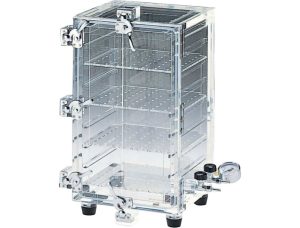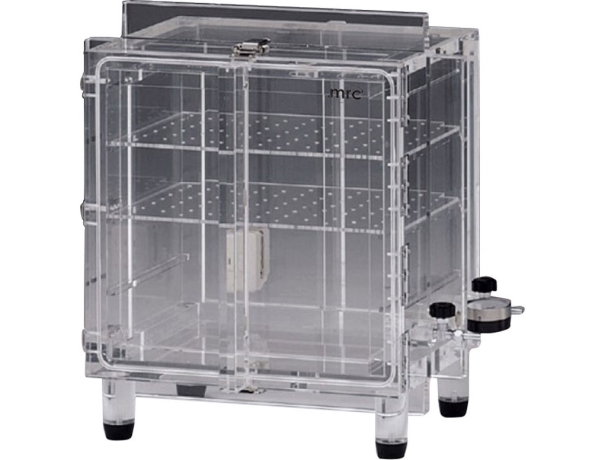
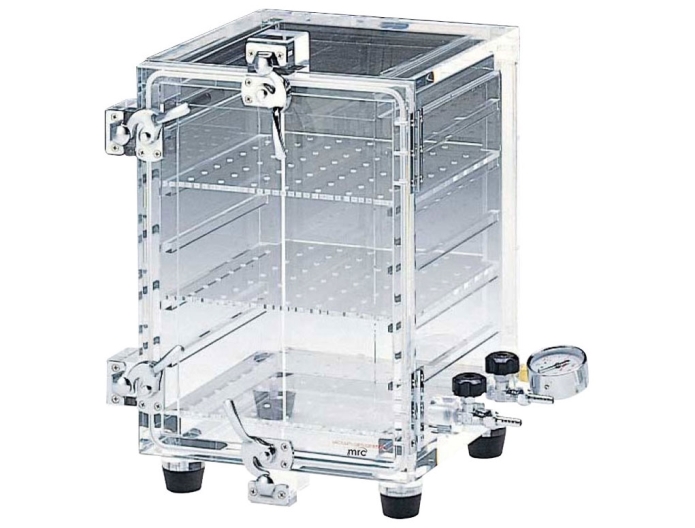
Vacuum desiccators are essential laboratory tools for moisture sensitive storage, drying, and sample protection. If you are looking to buy vacuum desiccators in London, understanding the types available, their applications, and the key factors that influence performance will help you make a correct and cost effective decision. London hosts a wide range of laboratories, research institutes, universities, and industrial facilities, all of which rely on reliable vacuum desiccation solutions.
This guide provides a detailed and original overview of vacuum desiccators, their uses, selection criteria, and availability in London, with specific reference to trusted suppliers serving the UK market.
What Is a Vacuum Desiccator?
A vacuum desiccator is a sealed container designed to remove moisture from samples by reducing internal pressure. By applying vacuum, the boiling point of water is lowered, allowing moisture to evaporate efficiently at room temperature. Desiccants inside the chamber capture residual humidity, creating a dry and controlled environment.
Vacuum desiccators are commonly manufactured from borosilicate glass, polycarbonate, or polypropylene, depending on chemical resistance and safety requirements.
Why Vacuum Desiccators Are Essential in London Laboratories
London laboratories operate across diverse sectors, including pharmaceuticals, chemistry, electronics, materials science, and academic research. Many applications require strict moisture control due to the hygroscopic or sensitive nature of samples.
Key reasons vacuum desiccators are widely used include:
- Protection of moisture sensitive compounds
- Drying samples without heat damage
- Preventing oxidation and contamination
- Safe storage of reference materials
- Supporting analytical accuracy and repeatability
Given the high regulatory and quality standards in the UK, reliable vacuum desiccation is not optional but essential.
Common Applications of Vacuum Desiccators
Pharmaceutical and Life Science Laboratories
Used for drying active ingredients, storing hygroscopic powders, and conditioning samples prior to weighing or formulation.
Chemical Research and Quality Control
Ideal for drying catalysts, reagents, and chemical intermediates without thermal stress.
Electronics and Materials Science
Critical for removing moisture from electronic components, coatings, and advanced materials where humidity can cause failure or instability.
Academic and Industrial R&D
Widely used in universities and research centers across London for routine drying, storage, and sample preparation.
Types of Vacuum Desiccators Available in London
Glass Vacuum Desiccators
Manufactured from borosilicate glass, these are resistant to most chemicals and allow full visual inspection. Suitable for chemical and pharmaceutical labs.
Polycarbonate Vacuum Desiccators
High impact resistance and lighter weight compared to glass. Commonly used in teaching labs and industrial environments.
Polypropylene Vacuum Desiccators
Excellent chemical resistance and cost effectiveness. Often selected for aggressive chemical applications.
Vacuum Desiccators with Gauge
Integrated vacuum gauges allow precise monitoring of internal pressure, improving process control and repeatability.
Large Capacity Vacuum Desiccators
Designed for bulk storage or drying of multiple samples simultaneously, commonly used in production and QA laboratories.
How to Choose the Right Vacuum Desiccator
When buying vacuum desiccators in London, consider the following technical and operational factors:
Material Compatibility
Ensure resistance to chemicals, solvents, and vapors used in your laboratory.
Vacuum Rating
Check the maximum allowable vacuum level to ensure safety and performance.
Chamber Volume and Shelf Configuration
Choose a size that accommodates your sample load without overcrowding.
Lid and Seal Design
High quality sealing ensures consistent vacuum and long term reliability.
Safety Considerations
For glass models, protective cages or shields may be recommended for added safety.
Compliance and Laboratory Standards in the UK
UK laboratories often operate under ISO, GLP, and GMP frameworks. Vacuum desiccators used in regulated environments should be manufactured to high quality standards, with clear documentation, material traceability, and reliable performance.
Selecting a reputable supplier with experience in the UK market ensures compliance, service support, and product longevity.
Buying Vacuum Desiccators in London
London offers access to a wide range of laboratory equipment suppliers. However, not all suppliers provide the same level of technical expertise, product quality, or after sales support. When sourcing vacuum desiccators, it is important to work with a supplier that understands laboratory workflows and UK regulatory expectations.
Munro Instruments Supply in London
Munro Instruments is a UK based manufacturer and supplier of high quality scientific and environmental monitoring equipment. Munro Instruments supplies vacuum desiccators to laboratories in London, supporting research, industrial, and educational facilities with reliable solutions tailored to professional laboratory use.
With a strong reputation in the UK market, Munro Instruments focuses on build quality, functional design, and dependable performance. Their supply capabilities in London ensure timely delivery, technical support, and long term reliability for laboratory customers.
Advantages of Working with a UK Based Supplier
Choosing a UK supplier for vacuum desiccators offers several practical benefits:
- Faster delivery within London and surrounding areas
- Local technical support and product expertise
- Compliance with UK and European standards
- Easier communication and after sales service
- Reduced downtime and supply chain risk
These advantages are particularly important for laboratories operating under time sensitive or regulated conditions.
Types of Laboratories in London That Need Vacuum Desiccators
London is home to one of the most diverse laboratory ecosystems in Europe. Vacuum desiccators are not limited to a single discipline and are used across many laboratory types where moisture control, sample stability, and contamination prevention are critical.
Pharmaceutical Research and Manufacturing Labs
Pharmaceutical laboratories use vacuum desiccators for drying active pharmaceutical ingredients, excipients, and intermediates. They are also essential for controlled storage of hygroscopic powders prior to formulation, weighing, or stability testing.
Biotechnology and Life Science Laboratories
Biotech labs working with enzymes, proteins, cell culture media components, and biological reagents rely on vacuum desiccators to prevent moisture related degradation and to maintain reproducibility in experimental workflows.
Chemical and Analytical Laboratories
Analytical chemistry labs use vacuum desiccators to dry samples after filtration, crystallization, or washing steps. They are also widely used to store reference standards and reagents under dry conditions before instrumental analysis.
University and Academic Research Laboratories
London universities and research institutes operate thousands of teaching and research laboratories. Vacuum desiccators are standard equipment for chemistry, materials science, physics, and engineering departments, supporting both routine experiments and advanced research.
Electronics and Semiconductor Laboratories
Labs working with electronic components, sensors, circuit boards, and microelectronics use vacuum desiccators to remove moisture that can cause corrosion, short circuits, or performance instability.
Materials Science and Advanced Manufacturing Labs
Vacuum desiccators are used to dry polymers, composites, coatings, powders, and nanomaterials. Moisture control is critical when studying mechanical, thermal, or surface properties.
Quality Control and Testing Laboratories
Independent testing labs and in house quality control departments use vacuum desiccators to condition samples before testing, ensuring consistency and compliance with testing standards.
Museums, Conservation, and Heritage Science Labs
London based conservation laboratories use vacuum desiccators to dry and stabilize sensitive artifacts, pigments, and materials during restoration and preservation processes.
Environmental and Geological Laboratories
Soil, mineral, and sediment testing labs use vacuum desiccators to prepare samples for analysis without altering chemical composition through heat based drying.