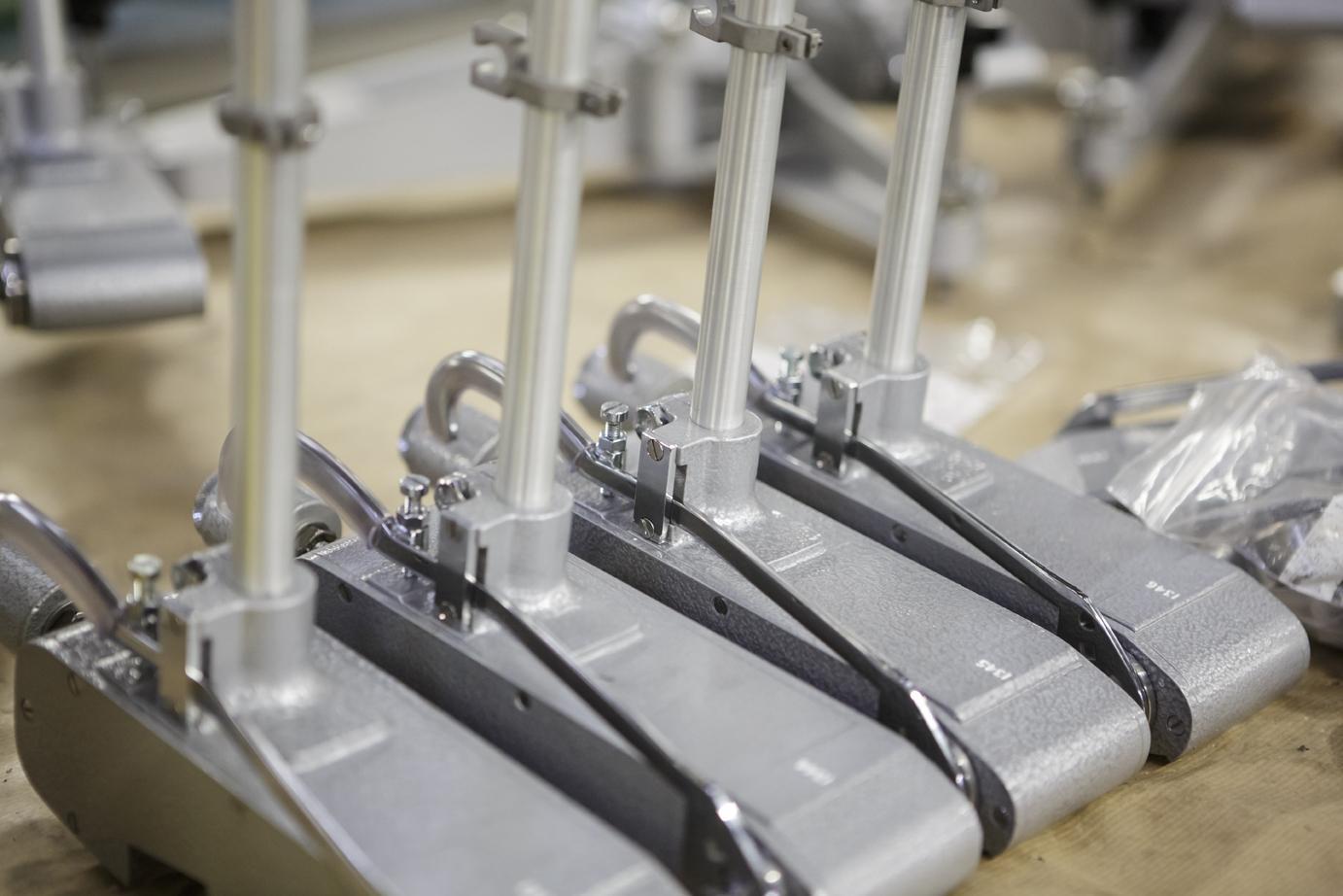
As with all precision instruments, it is important that the Pendulum Tester is carefully prepped prior to use. Failure to do so may result in inaccurate and unreliable readings.
In this post, we will explain how the accessories are used to set up the instrument, condition the rubber sliders and verify your results.
What are the accessories of Skid Resistance Tester?
- Rubber Sliders
- Aluminium Sample Holder
- Lapping Film
- P400 Paper
- Float Glass
- Pavigres Tile
- Perspex Setting Gauge
- Tools Wallet
- Thermometer
- Water Bottle
These are supplied in accordance with the UK Slip Resistance Group (UKSRG) guidelines. We recommend all users of the Pendulum obtain a copy of these useful instructions.
Rubber Sliders
Rubber Sliders are fitted onto the end of the Pendulum arm. There are three main types of slider. Each one has specific properties and must be carefully selected depending on the type of surface that you are testing.
- TRL(55) Rubber Sliders have a hardness of 55±5 IRHD. They should be used in ‘barefoot’ pedestrian areas (e.g. bathrooms, changing rooms, swimming pools). They are also used on vehicular surfaces such as roads and runways.
- 4S(96) Rubber Sliders have a hardness of 96±2 IRHD. They should be in ‘shod’ pedestrian areas (indoor/outdoor public spaces, pavements etc.).
- CEN Rubber Sliders have a hardness of 53-65 IRHD.
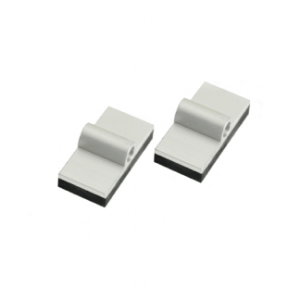
15 mm Spanner
Use the spanner to fasten the rear leg into position.
C Spanner
Once you have attached the Pendulum arm to the rotating head, tighten the retaining nut using the C Spanner.
Note: Ensure that the dowel is correctly engaged. Do not force it, as this may cause the hole to widen.
Aluminium Sample Holder
The Aluminium Sample Holder is used for conditioning the rubber sliders, verifying the Pendulum and holding floor/tile/road samples. It will prevent unwanted movement when testing samples and verification surfaces.
- The clip is used for the P400 paper and lapping film.
- The recess fits the Float Glass and Pavigres Tile.
- The pegs allow you to adjust the size of the sample space.
Perspex Setting Gauge
The Setting Gauge is to set the sliding length (or ‘footprint’) of the conditioned Rubber Slider. This is the distance the rubber slider travels whilst in contact with the test surface. The sliding length should be 124±1 mm (or 76 mm if using small rubber sliders). This should be measured from the trailing edge of the metal slider plate, not the rubber itself.
The outer marks on the Setting Gauge are 125 mm apart. The two marks on the left-hand side indicate the 2 mm tolerance allowed. The distance between the right-hand mark and the middle mark is 76 mm.
Some models of the Setting Gauge also have a working edge ruler. This helps to determine when the rubber slider is too thin to use.
Rubber Slider Conditioning Surfaces
The following items are needed to prepare your rubber slider before use:
- Sample Holder
- Float Glass
- P400 Conditioning Paper
- Green Lapping Film (if using a TRL(55) Rubber Slider)
- Pink Lapping Film (if using a 4S(96) Rubber Slider)
- Water Spray Bottle
Preparation of the rubber sliders is crucial for good reproducibility. It ensures that each slider begins the test in the same condition. Rubber sliders must always be clean and free from contamination. Failure to follow this procedure may affect the validity of your results.
Click here for instructions on how to condition rubber sliders.
Pendulum Verification Surfaces
The Pendulum Tester should be verified at the start of each day of testing and after re-assembly or transportation. The verification procedure is an extremely important part of the testing procedure. It demonstrates to you, and all those making use of your results, that the instrument has been set up correctly and is functioning properly.
Verification is achieved by performing tests on a number of well-defined surfaces with a known Pendulum Test Value (PTV). These are given in the table below:
| TRL(55) Rubber Slider | 4S(96) Rubber Slider | |
|---|---|---|
| Pink Lapping Film | N/A | 59-64 PTV |
| Float Glass | 5-10 PTV | 5-10 PTV |
| Pavigrés Tile | 13-19 PTV | 32-36 PTV |
If these values are not obtained, you must not proceed with testing. The pendulum set-up procedure (including slider conditioning) should be re-performed, and the rubber slider should be checked for defects. If you continue to experience difficulties verifying your instrument, please contact Munro Instruments for further assistance.
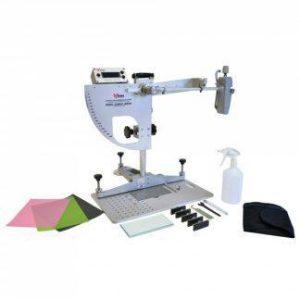
What the Kit Typically Includes
1. Rubber Sliders (55 and 96 Hardness Options)
High quality TRL and FourS rubber sliders are supplied for different surface types. The sliders are manufactured to precise hardness specifications and should be stored properly to preserve their properties. Regular replacement ensures accurate friction measurement.
2. Slider Conditioning Tools
Conditioning surfaces such as 3M lapping papers, glass plates, and abrasive pads allow the operator to bring the slider to the correct roughness before testing. Conditioning is a mandatory step whenever accuracy and consistency are required.
3. Water Spray Bottle
For wet-testing, controlled wetting is essential. A calibrated spray bottle provides even water distribution across the test zone, ensuring reproducible wet PTV measurements.
4. Surface Preparation Brushes and Cloths
Dust, residues, and contaminants can dramatically affect results. The kit normally includes cleaning brushes, microfiber cloths, and sometimes degreasers to prepare the surface before every test run.
5. Gauge Verification Tools
Some kits include reference settings, feeler gauges, or spacer blocks that help verify pendulum height, alignment, and arm free-swing. This supports routine equipment checks before field use.
6. Carry Case or Protective Bag
A robust protective case keeps all accessories secure during transportation. This is especially important for rubber sliders, which must be kept flat and protected from heat and sunlight.
Why a Complete Accessories Kit Matters
Accurate slip-testing relies on more than just the pendulum device. Inconsistent slider preparation, uneven wetting, or contaminated surfaces can shift PTV readings significantly. Laboratories, flooring inspectors, and safety consultants rely on a complete kit to standardize their workflow and maintain compliance with British and international testing standards. A proper kit also extends the life of the pendulum tester by preventing misuse and ensuring that all consumables are replaced at the correct intervals.
Applications Across Industries
Pendulum testing is used throughout facilities management, construction, hospitality, retail, and transport sectors. A full accessories kit ensures that inspectors can carry out on-site evaluations with confidence, regardless of surface type. It also supports post-cleaning verification, accident investigation, and routine safety audits.