It is a commonly thought that covering the affected area with cardboard is sufficient. However, this can create a surfboard motion for anyone who walks over it and may increase the chances of slipping. The best solution is to thoroughly wipe the area with a clean, dry tissue to return it to its original state.
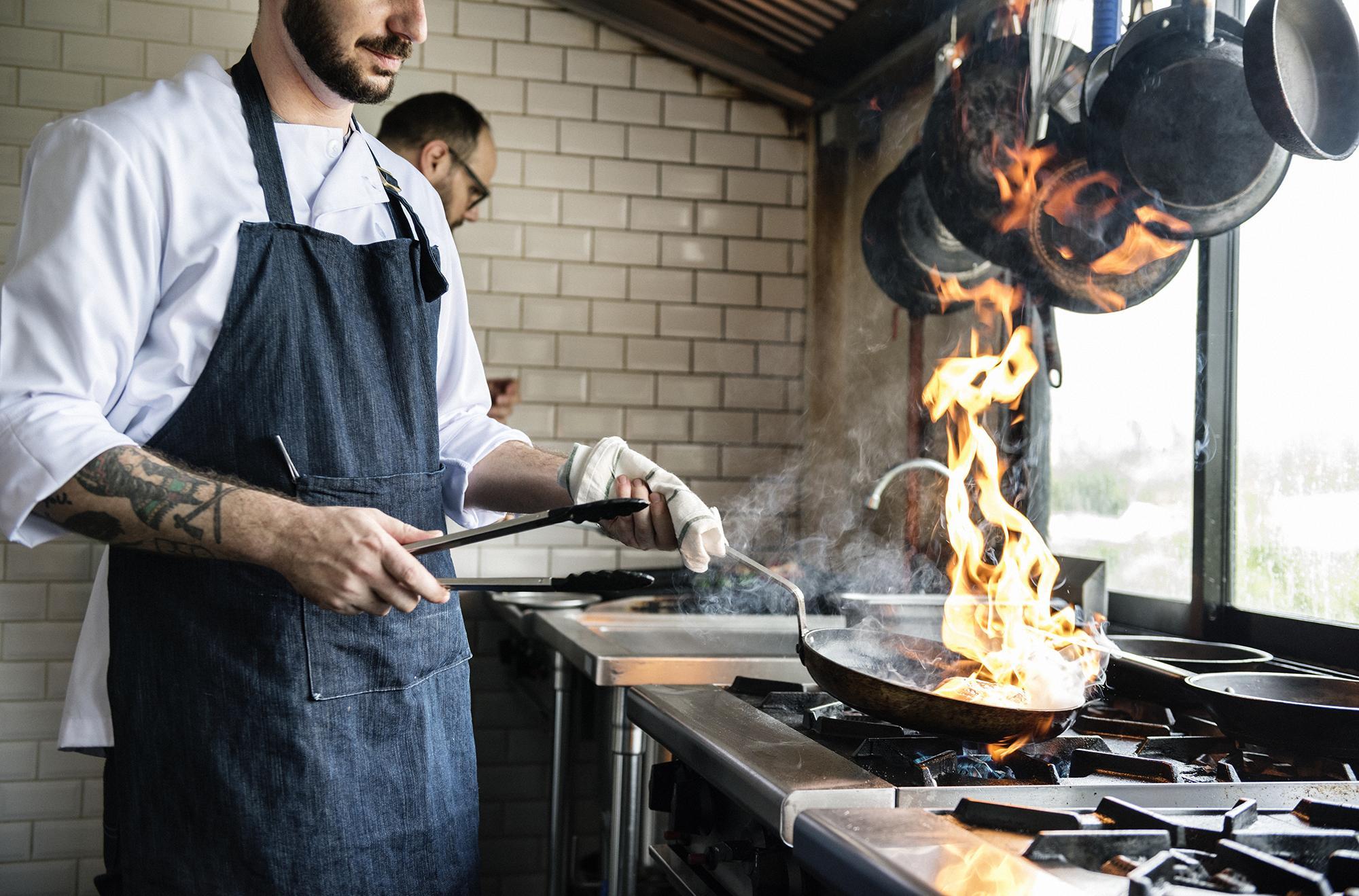
The consequences of not cleaning effectively can be seen in an HSE case study titled ‘Chef slips and suffers severe arm burns from hot oil’. Here it is reported that a chef, while on duty at work, slipped as he walked over a pool of water and burned his outstretched arm in nearby hot oil. HSE had previously warned the company about wet floors and fined them £14,000.
Slip Testing in Restaurants
Another cause of slips which many businesses fail to address is a poorly specified floor. In this scenario, the risk of slipping cannot be easily lowered – even with an effective cleaning regime. It is good practice to assess the slip resistance of a surface at regular intervals. This can be done by using a skid resistance tester, which gives an indication of how slippery a floor is. If the instrument indicates that the surface is slippery, it may be necessary to replace the flooring with a more suitable material or treat it in some way. This does not dispense with the need for good cleaning practice, nor the requirement that employees in high-risk areas wear slip resistant soles and low heels.
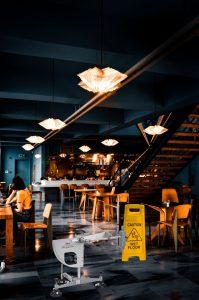
Restaurants present a consistently high slip risk due to the combination of food handling, customer movement, and narrow working zones. Floors are exposed to liquids, grease, food particles, and cleaning agents throughout the day, which creates rapidly changing surface conditions. Even a floor that performs well during morning inspections can become hazardous within minutes during peak service.
Kitchen areas are particularly vulnerable because staff move quickly while carrying hot dishes, knives, and heavy cookware. In these zones, slips not only lead to injuries but also cause secondary hazards such as burns and cuts. Grease splatter near fryers and cooking stations can form a thin, invisible film that dramatically reduces floor friction. Regular degreasing protocols and immediate spot cleaning are essential, but many kitchens still struggle with accumulating micro layers of oil that standard mopping does not remove.
Front of house areas also require attention. Spilled drinks, dropped ice, and wet shoes from rainy weather can turn entrances and dining areas into slip hotspots. Polished tiles and decorative flooring materials often look appealing but may provide low friction when contaminated. Choosing flooring with reliable wet performance and maintaining it with cleaning agents that do not leave residue are key steps in prevention.
Accurate slip risk assessment is crucial for restaurant operators who want to protect both staff and customers. Pendulum testing remains the preferred method because it measures slip resistance under realistic wet conditions. Independent testing helps verify whether the floor meets accepted safety benchmarks and identifies localised problem areas that need treatment. Many restaurants discover that a surface appearing safe visually is actually well below the recommended friction level when tested.
Training plays a central role in reducing incidents. Employees should know how to identify hazards quickly, place warning signs correctly, use designated cleaning procedures, and report recurring issues such as leaks or uneven surfaces. Safe footwear is another significant factor. Shoes with slip resistant soles can improve personal safety, especially in kitchens where contaminants are common.
Preventive maintenance must be planned rather than reactive. This includes scheduled deep cleaning to remove accumulated grease, frequent inspections during high traffic periods, prompt attention to spills, and engineering solutions such as floor mats, drainage improvements, or anti slip coatings. Restaurants that adopt a structured slip prevention strategy typically see fewer staff injuries, reduced claims, and better overall operational efficiency.