Solar energy is becoming increasingly popular as a renewable and sustainable source of power. However, to harness the full potential of solar energy, accurate measurement of solar radiation is essential. This is where solar pyranometer radiation sensors come into play. In this article, we will explore the ins and outs of these sensors, their types, applications, and much more.
What is a pyranometer?
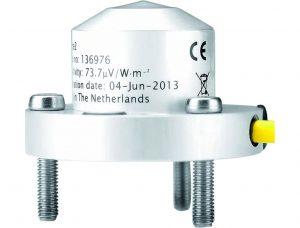
A pyranometer is a device used to measure the total solar radiation flux density (W/m²) on a plane surface, commonly known as global solar radiation. It provides valuable data for various applications, including weather monitoring, solar energy systems optimization, and environmental research.Understanding solar radiation is crucial for numerous sectors, such as agriculture, meteorology, and renewable energy. Solar pyranometer radiation sensors play a vital role in quantifying solar radiation levels accurately.
Applications of Solar Pyranometer Radiation Sensors
Solar pyranometer radiation sensors find applications across various fields:
- Weather forecasting: By monitoring solar radiation levels, meteorologists can make more accurate predictions about weather patterns and solar irradiance.
- Solar energy systems monitoring: Solar pyranometers are essential for optimizing the performance of solar panels by tracking sunlight intensity and duration.
- Agriculture and crop management: Farmers use pyranometers to determine optimal planting times and assess crop health based on solar radiation levels.
Factors to Consider When Choosing a Solar Pyranometer Radiation Sensor
When selecting a solar pyranometer radiation sensor, several factors should be taken into account:
Accuracy: Ensure the sensor provides precise measurements to support reliable data analysis and decision-making.
Spectral sensitivity: Consider the spectral range of the sensor to match it with the solar spectrum for accurate readings.
Durability: Choose a sensor that can withstand harsh environmental conditions to ensure long-term reliability.
Advantages of Using Solar Pyranometer Radiation Sensors
Cost-effectiveness
Solar pyranometer radiation sensors offer a cost-effective solution for measuring solar radiation compared to more complex instruments. Their simplicity in design and operation makes them accessible for various applications.
Real-time data collection
With advancements in sensor technology, modern solar pyranometers are capable of providing real-time data on solar radiation levels. This enables users to make timely adjustments and optimizations in solar energy systems and other applications.
Solar Pyranometer Radiation Sensor in UK
Munro provides a wide range of Solar Pyranometer Radiation Sensors