It is of course true that there are a few things in life more important that the anti-slip feet on the bottom of a Pendulum. You could even argue that there are many things of higher priority than the components of a BS 7976-2 Pendulum. What should be of the utmost importance to any Pendulum operator however, is the integrity of the testing process and the accuracy of data produced, and the performance of anti-slip feet is supremely important in ensuring this. This is why Munro Instruments are now offering upgraded Pendulum feet.
Practical Considerations
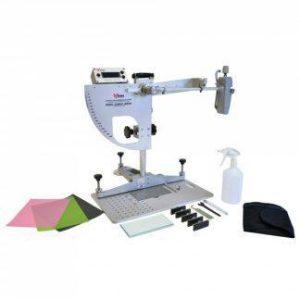
The basic principle of a Pendulum test is just that, a weighted pendulum. The pendulum swings from a point of release, striking the floor and reading the slip resistance of that floor on the overswing. If the pendulum doesn’t come in to contact with the floor then it swings freely to give a 0PTV result.
The pendulum Tester must swing freely in an arc about a fixed point. Whilst the Pendulum frame is sturdy, it wouldn’t be practical to physically fix the machine to the floor, so movement of the frame across the floor has the potential to alter results produced. This is of such importance that measures to increase stability of the frame were introduced by the UK Slip Resistance Group, namely a weighted back foot and anti-slip feet.
The anti-slip feet are a crucial part of a robust testing system. With a weighted back foot and anti-slip feet, the frame is held securely in position, preventing movement and associated variability in results.
UK Legal & Regulatory Requirements
Regardless of the practical benefits of testing with anti-slip feet, the feet are an essential component of a regulator-preferred and UKSRG-defined test process. In short, if you fail to use anti-slip feet, you have not complied with the requirements of testing as directed by the HSE.
With slip resistance testing being so closely associated with slip and fall legal claims, it is essential that testing is conducted in accordance with industry best practice. If your Pendulum doesn’t feature anti-slip pads for the feet, you cannot claim to have tested to the UK-preferred standard. If you haven’t done the test correctly, you shouldn’t expect the results to hold any water in court.
|
If you are conducting tests outside the UK, I would strongly advise that you check your local standards/requirements as it is likely anti-slip feet have been incorporated as part of the test method given their previously discussed positive impact on accuracy.
The Munro Instruments Anti-slip Feet
The improved feet replace the existing levelling screws in the Pendulum frame. Rather than the pointed tip which previously required an anti-slip pad to sit in, the new screws feature a sturdy plate with a rubberised bottom, essentially incorporating a small anti-slip pad in to the feet themselves.
Unlike other designs there is no movement between pad and foot which could lead to movement of the frame. The rotational fixed pivot of the Munro design rotates with adjustment of the feet, but is otherwise solid and stable, maximising accuracy and repeatability.
The new feet are backwards compatible with all Munro Pendulums, and it is simply a case of swapping out your older levelling screws with the new ones provided. A 5 minute job with a significant impact on both the accuracy and validity of results produced by your machine.
Having been subject to extensive testing in the field, the feet have proven to remain effective on a wide range of materials and in a wide range of conditions, and remain effective even on difficult surfaces such as slopes, stairs and aggressive profiles.
Benefits to Pendulum Operators
If, like me, you have been using a workable but ‘DIY’ pad system, it is well worth an upgrade. Whilst my experience as a Pendulum operator is unusual, I conduct testing daily on sites across the UK, one benefit of the improved Munro anti-slip feet was immediately apparent to me. With the feet attached to the Pendulum frame, I didn’t have to remove and set up the pads 36 times for every test, a blessing both for my aging frame and the efficiency of testing.
Further benefits of the new anti-slip feet include the protection of easily damaged surfaces from the harsh points of the old feet, and the knowledge that the essential pads weren’t going to be forgotten or misplaced during a test remit.
Crucially, the improved factory-fit feet provide excellent performance, and look as if they belong. Aesthetics shouldn’t matter in testing, but any observer is likely to be given a greater sense of confidence in the results with a setup that both looks and performs professionally.
Consistency and Reliability of Test Results
A core requirement of slip resistance testing is that each measurement reflects only the floor’s surface characteristics — not unintended variables. If the frame of a pendulum tester shifts even slightly during swing, the pendulum’s arc changes, the rubber slider may strike the floor at a different angle or distance, and the recorded Pendulum Test Value (PTV) becomes unreliable. By securing the instrument rigidly to the floor via anti-slip feet (plus a weighted back foot), you eliminate uncontrolled movement. The result: greater repeatability, higher confidence in each test, and meaningful comparability across different test sites and times. This stability is especially important when surfaces vary (e.g. smooth vs rough, dry vs wet) or when multiple tests are run sequentially. Munro Instruments+2Velocity Safety+2
Legal Validity and Regulatory Compliance
Testing without anti-slip feet — or with a makeshift pad system — often violates the guidelines of bodies like UK Slip Resistance Group (UKSRG) and may be dismissed by Health and Safety Executive (HSE) or in legal contexts. As courts, insurers or regulators evaluate slip-fall claims, only properly conducted tests — using approved configurations including anti-slip feet — carry weight. If your report is to serve as evidence of duty of care or compliance with standards such as BS 7976-2 or BS EN 16165, the equipment must conform to industry-accepted design. Without integrated anti-slip feet, your test may be invalidated. Munro Instruments+2Floor Slip Testing Services | SlipTest+2
Operational Efficiency and Practicality
Traditional setups using loose rubber pads or DIY anti-slip mats require frequent placement, alignment and re-placement — especially when performing many tests in sequence across multiple sites or floor areas. Integrated anti-slip feet eliminate that burden. Users benefit from:
-
Reduced setup time (no pad placement before each swing)
-
Lower risk of human error (pads misaligned or forgotten)
-
Less wear on the pendulum frame and floor surfaces (old pointed feet may damage delicate flooring)
-
Improved portability and readiness (field testing becomes simpler and faster)
For professionals performing dozens of tests per day, this saves substantial time and reduces fatigue. Munro Instruments
Surface Protection & Versatility
Old-style pointed feet can scratch or damage sensitive floor surfaces, such as polished stone, resin coatings, or new tile installations. Rubberised, flat-bottomed feet protect the floor while preserving grip. The improved anti-slip feet maintain stability even on sloped, uneven or aggressively profiled surfaces — environments where conventional pad-based systems often slip or shift. Munro Instruments
Professional Confidence & Perception
Though aesthetics may seem superficial, they influence how results are perceived. A pendulum tester fitted with professionally integrated anti-slip feet communicates seriousness, precision and adherence to best practice. Clients, auditors or legal reviewers are more likely to trust results from an instrument that “looks right” — not a tester held together by temporary add-ons. This intangible confidence can influence decisions, contracts, and litigation outcomes. Munro Instruments
When Anti-Slip Feet Are Especially Critical
-
Wet or Contaminated Surfaces: Slippage risk rises sharply when water, oil or other contaminants are present. Accurate PTV measurement under these conditions demands a fixed frame. Velocity Safety+1
-
Legal or Regulatory Benchmarking: When test results must satisfy regulatory audits or potential litigation, only compliant equipment is acceptable.
-
High-Traffic Commercial Floors: In busy public or industrial environments (e.g. retail, manufacturing, hospitality), slight measurement errors can mean the difference between acceptable and hazardous flooring safety.
-
Frequent Field Testing Across Multiple Sites: When moving between locations, repeatedly resetting pad-based solutions becomes inefficient — integrated feet reduce downtime and risk of misplacement.
Order your anti-slip feet today – www.munro-instruments.com