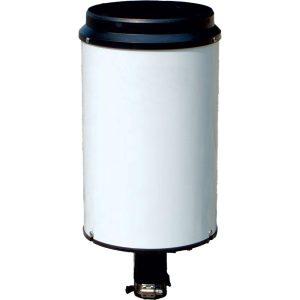
To effectively manage water resources, farmers need accurate rainfall data, and one of the most reliable tools for this purpose is the tipping bucket rain gauge
How a Tipping Bucket Rain Gauge Works
A tipping bucket rain gauge operates using a simple yet effective mechanism:
- Rainwater is collected through a funnel and directed into a small bucket.
- Once a predetermined amount of rain is accumulated, the bucket tips over, emptying the water and triggering an electronic counter.
- This cycle repeats, providing precise rainfall measurements over time.
Components
- Funnel: Directs rainwater into the bucket.
- Tipping Mechanism: A balanced bucket that tips once it fills to a specific threshold.
- Sensor & Data Logger: Records each tip event, converting it into rainfall data.
Differences from Traditional Rain Gauges
Unlike manual rain gauges that require periodic readings, a tipping bucket rain gauge provides real-time, automated data collection, making it a preferred choice for farmers.
Benefits of Using a Tipping Bucket Rain Gauge in Farms
- Accurate and continuous rainfall data ensures better decision-making.
- Improved irrigation management, preventing overwatering or underwatering.
- Enhanced crop planning based on historical rainfall trends.
- Water conservation by optimizing usage and preventing wastage.
How to Install a Tipping Bucket Rain Gauge on Your Farm
Choosing the Right Location
- Place in an open area, away from buildings and trees.
- Ensure it’s on a stable, level surface to avoid inaccurate readings.
Step-by-Step Installation
- Mount the rain gauge on a pole or stand.
- Align it properly with a spirit level.
- Secure the device to prevent movement in strong winds.
- Connect to a data logger or weather monitoring system.
What is the ideal height for installing a rain gauge on a farm?
- Around 1.2 meters (4 feet) above ground level.