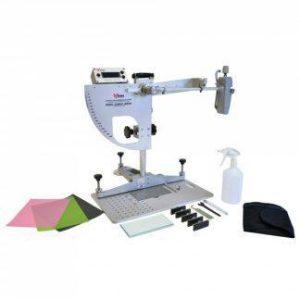
Munro UK is a manufacturer and supplier of skid testers for floor surfaces. They offer pendulum type skid testers, which are used to measure the slip resistance of various flooring surfaces. The Munro UK skid testers use a pendulum to swing and create friction on the floor surface being tested, and the extent to which the pendulum skids or slips is then measured to determine the slip resistance of the floor.
Munro UK’s skid testers are designed to meet international standards such as BS 7976 and ASTM E303, ensuring accurate and reliable results. They are widely used in various industries including construction, manufacturing, healthcare, and hospitality, to test the slip resistance of flooring surfaces and ensure safety for those who use them.
Munro UK offers a range of Skid Resistance Tester
Munro UK offers a range of Skid Resistance Testers to meet the needs of different industries and applications. They also provide calibration services and training on the use of their skid testers to ensure accurate and consistent results.
Uses of SKID TESTERS
Skid testers can be used to test the slip resistance of various types of floors such as:
Tiles: To ensure that the tile surface is slip-resistant, especially in wet areas such as bathrooms and kitchens.
Concrete floor: To determine the slip resistance of concrete surfaces, especially in areas with frequent foot traffic.
Metal floor: To measure the slip resistance of metal surfaces, especially in industrial settings.
Bathroom: To test the slip resistance of bathroom surfaces, especially those around bathtubs and showers.
Stairs: To measure the slip resistance of stair surfaces, ensuring safety for those who use them.
Wood floor: To determine the slip resistance of wooden surfaces, especially in areas with heavy foot traffic.
Synthetic floor: To test the slip resistance of synthetic flooring, especially in commercial and industrial settings.
Anti-Slip Coatings floor: To measure the effectiveness of anti-slip coatings on various types of flooring surfaces.
Anti-Slip Tape: To test the slip resistance of anti-slip tape applied to various surfaces, especially in areas with heavy foot traffic.
Non-Skid Paint: To measure the slip resistance of non-skid paint applied to various surfaces.
Non-Slip Flooring: To test the slip resistance of non-slip flooring materials, especially in wet areas.
Outdoor Non-Slip: To measure the slip resistance of outdoor surfaces, ensuring safety for those who use them in wet or slippery conditions.
Extended Uses of Skid Testers in Real-World Conditions
Skid testers are not limited to laboratory verification or basic surface checks. Their real value lies in evaluating how surfaces behave under dynamic contact conditions, particularly where friction directly affects safety, performance, and regulatory compliance. By simulating controlled sliding contact, skid testers provide measurable insight into surface interaction that visual inspection or static testing cannot reveal.
Road and Highway Safety Assessment
One of the primary uses of skid testers is the evaluation of road surface friction under dry and wet conditions. Traffic authorities use these measurements to identify sections of roadway with reduced grip, particularly before curves, intersections, pedestrian crossings, and braking zones. Skid resistance data helps prioritize resurfacing, select appropriate aggregates, and monitor surface polishing over time due to traffic wear.
Airport Runway and Taxiway Evaluation
In aviation environments, skid testers are essential for monitoring runway friction performance. Even minor reductions in surface grip can significantly increase stopping distances during landing. Regular skid testing supports maintenance scheduling, rubber deposit removal strategies, and compliance with aviation safety standards, especially in regions with frequent rain or high aircraft traffic.
Industrial Flooring and Workplace Safety
In factories, warehouses, and logistics centers, skid testers are used to assess slip risk on concrete, epoxy, resin, and coated floors. Measurements are often taken after surface treatments, cleaning procedures, or aging to ensure that friction remains within acceptable safety limits. This is particularly important in environments where oils, water, or powders are present.
Public Buildings and Commercial Spaces
Skid testers play a critical role in evaluating flooring in public areas such as shopping centers, hospitals, schools, and transportation hubs. These spaces experience high foot traffic and frequent cleaning, both of which can alter surface friction. Objective skid resistance measurements support liability management, safety audits, and flooring material selection during renovations.
Sports Surfaces and Recreational Areas
Artificial turf, athletic tracks, playground surfaces, and pool surrounds are tested using skid testers to balance grip and user comfort. Excessive slipperiness increases injury risk, while too much friction can cause abrasions. Skid testing helps manufacturers and facility operators optimize surface performance for intended activities and age groups.
Quality Control in Surface Manufacturing
Manufacturers of tiles, laminates, coatings, and paving materials use skid testers during production and final inspection. Testing ensures consistency between batches and verifies that finished products meet friction specifications before reaching the market. This application is critical for export markets where certification requirements vary by region.
Research, Development, and Material Comparison
In R&D settings, skid testers allow direct comparison between different surface formulations, textures, and treatments. Engineers use test results to study the effects of wear, contamination, moisture, and cleaning agents on friction behavior. This data supports material innovation and performance optimization.
Maintenance Planning and Lifecycle Monitoring
Repeated skid testing over time provides trend data rather than isolated measurements. Facility managers and infrastructure owners use this information to predict when surfaces will fall below safe friction thresholds, enabling preventive maintenance instead of reactive repairs.
Legal, Insurance, and Forensic Investigations
Skid testers are often used after slip or vehicle incidents to document surface conditions at the time of investigation. Objective friction data supports expert testimony, insurance assessments, and root cause analysis by distinguishing between surface failure and user behavior.
Environmental and Weather Impact Studies
Skid testers help assess how rain, dust, algae growth, temperature changes, and surface contamination affect friction. This application is valuable in outdoor environments such as bridges, coastal walkways, and industrial yards where conditions fluctuate seasonally.